Have you ever heard the sound of crickets chirping in the night? It's a relaxing sound that can help lull you to sleep. But have you ever wondered where those sounds are coming from? Do crickets have ears? The answer may surprise you.
Do Crickets Have Ears?

Yes, crickets do have ears, but they are not located where you might think. Unlike humans and many animals, crickets don't have ears on the sides of their heads. Instead, their ears are located on their front legs, just below the knees.
These ears are called tympana, and they are similar to our eardrums. When a cricket chirps, it rubs its wings together, creating a sound that vibrates the air around it. These vibrations are picked up by the cricket's tympana, which then sends the sound to the cricket's brain.
How Do Crickets Hear?
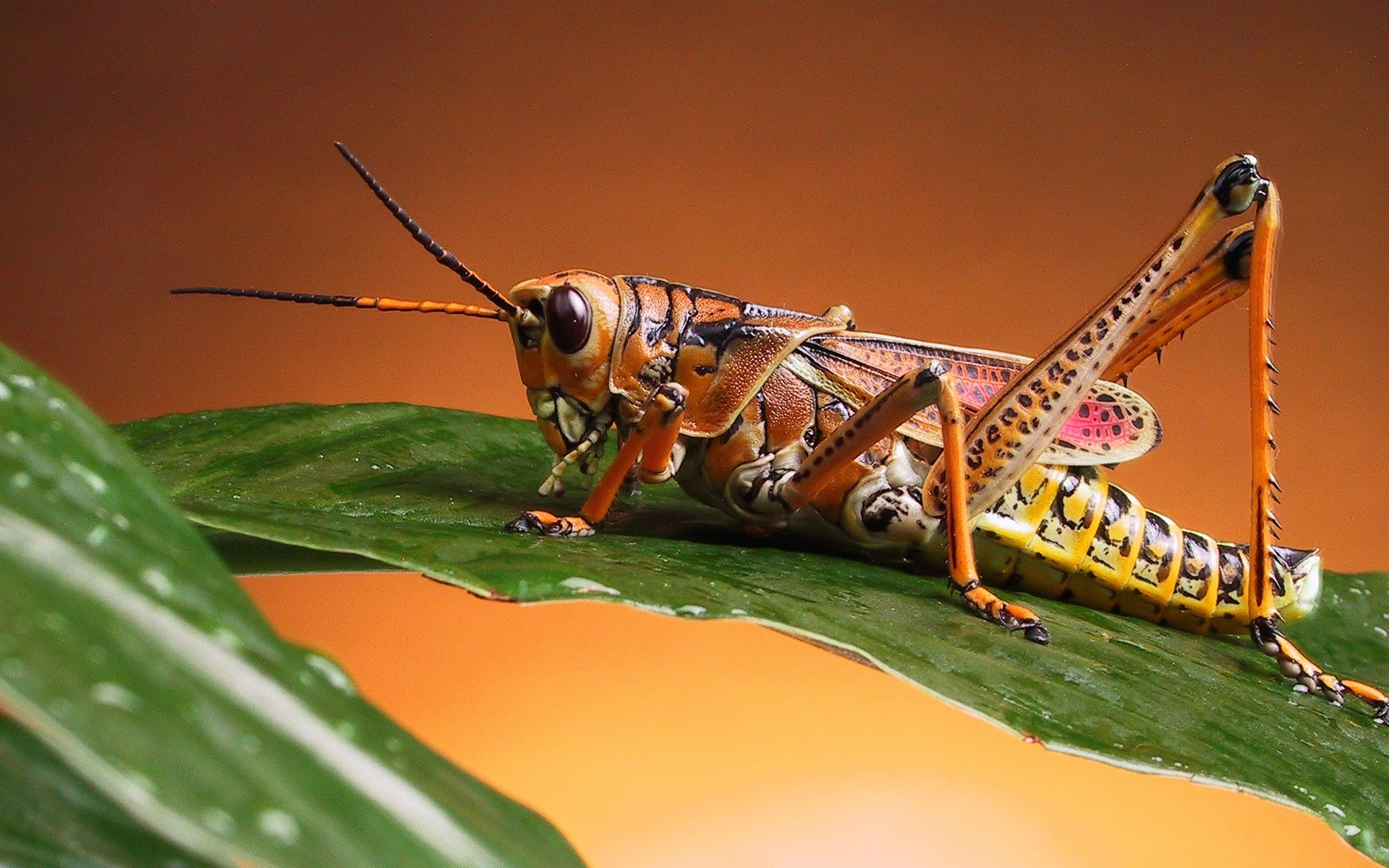
Crickets hear in a different way than humans do. They don't have an outer ear, middle ear, and inner ear like we do. Instead, their hearing is more similar to how we sense touch.
When a sound wave reaches a cricket's tympana, it causes a small hair-like structure on the tympana to move back and forth. This movement then triggers a nerve impulse that travels to the cricket's brain, where it is interpreted as sound.
Why Do Crickets Chirp?

Now that we know where crickets' ears are located and how they hear, let's talk about why they chirp. The chirping sound is actually a mating call. Male crickets chirp to attract female crickets to them.
Each species of cricket has a unique chirping pattern, which helps female crickets identify potential mates. The faster and louder the chirping, the more attractive the male is to females.
What Happens if a Cricket Loses its Tympana?

If a cricket loses one or both of its tympana, it can still survive, but it may have difficulty finding a mate. Without its hearing, a male cricket won't be able to hear the calls of female crickets or the chirping of other males.
In some cases, crickets can even compensate for a loss of hearing by using other senses, such as touch or smell, to locate potential mates. However, this can be more difficult and may not be as effective as relying on hearing.
Conclusion
So, the next time you hear the sound of crickets chirping, remember that those sounds are being picked up by the cricket's ears, located on its front legs. And if you happen to come across a cricket without its tympana, you'll know why it may be having trouble finding a mate.