The Cold War was a geopolitical conflict between the United States and the Soviet Union, which lasted from the end of World War II in 1945 until the collapse of the Soviet Union in 1991. Although the two superpowers never directly confronted each other militarily, they engaged in a variety of proxy wars and ideological battles around the world.
The Origins of the Cold War

The origins of the Cold War can be traced back to the Yalta Conference in February 1945, where the leaders of the United States, the Soviet Union, and Great Britain met to discuss the post-war reorganization of Europe. At the conference, tensions between the United States and the Soviet Union began to emerge, as the two sides staked out their positions in the post-war world.
One of the key issues at Yalta was the future of Germany. The Soviet Union wanted Germany to be divided into smaller states, while the United States and Great Britain wanted to keep Germany unified. The two sides also disagreed over the future of Eastern Europe, with the Soviet Union seeking to maintain control over the region, while the United States and its allies wanted to establish democratic governments in the area.
The Spread of Communism
During the Cold War, the Soviet Union sought to spread communism around the world, while the United States and its allies sought to contain it. The spread of communism was seen as a significant threat to the democratic and capitalist systems of the West, and the United States was determined to prevent its spread at all costs.
The United States adopted a policy of containment, which aimed to prevent the spread of communism beyond the countries where it already existed. This policy was implemented through a variety of means, including economic aid, military support, and covert operations.
The Arms Race
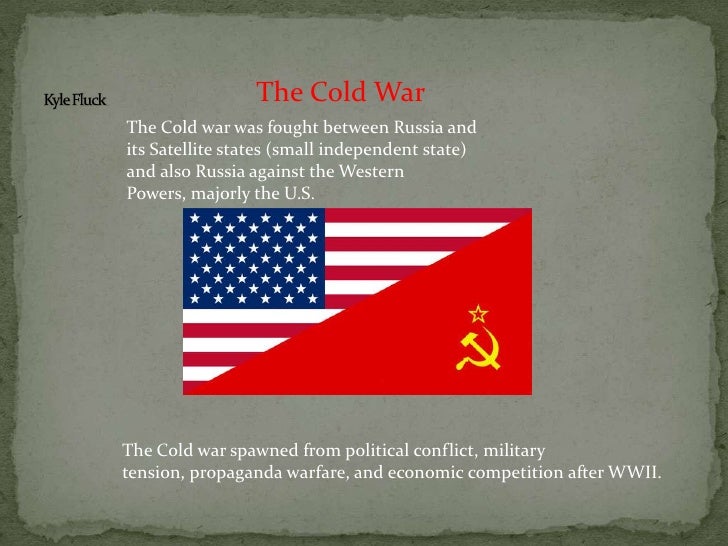
One of the most significant consequences of the Cold War was the arms race between the United States and the Soviet Union. Both sides invested heavily in the development of nuclear weapons and other advanced military technologies, leading to a dangerous and costly arms race that lasted for decades.
The arms race was fueled by a sense of mutual distrust and fear between the two superpowers. Both sides believed that the other was intent on destroying them, and as a result, they felt compelled to build up their military capabilities to deter attack.
The Korean War

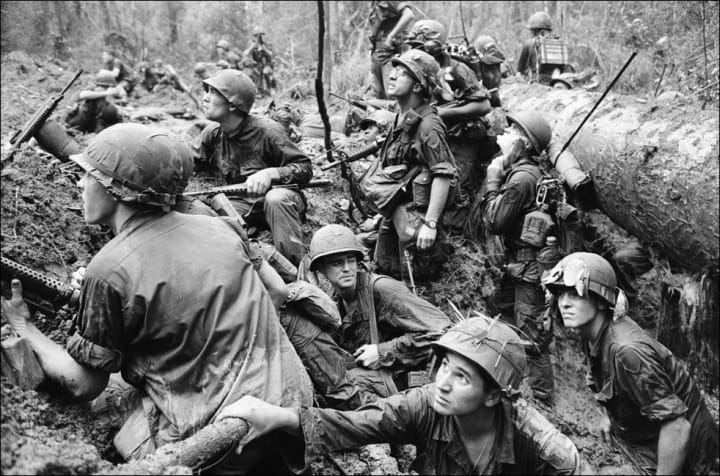
The Korean War was one of the most significant proxy wars of the Cold War. The conflict began in 1950 when North Korea, supported by the Soviet Union and China, invaded South Korea, which was supported by the United States and its allies.
The war lasted for three years and resulted in the division of Korea into two separate countries. The conflict was seen as a significant test of the policy of containment, and it demonstrated the willingness of the United States to use military force to prevent the spread of communism.
The Cuban Missile Crisis
The Cuban Missile Crisis was one of the most dangerous moments of the Cold War. In 1962, the Soviet Union began installing nuclear missiles in Cuba, just 90 miles from the United States. The United States responded by imposing a naval blockade around Cuba, and the two sides came dangerously close to nuclear war.
The crisis was eventually resolved when the Soviet Union agreed to remove the missiles in exchange for a promise from the United States not to invade Cuba and to remove its own missiles from Turkey.
The Fall of the Berlin Wall
The fall of the Berlin Wall in 1989 was a significant moment in the collapse of the Soviet Union and the end of the Cold War. The wall had been built in 1961 to separate East and West Berlin, and it had become a symbol of the division between the communist and capitalist worlds.
As the Soviet Union began to weaken in the late 1980s, protests erupted across Eastern Europe, and the governments of many communist countries began to fall. In November 1989, the East German government announced that citizens could travel freely to the West, and thousands of people began crossing the border. The wall was eventually torn down, and Germany was reunified.
The Legacy of the Cold War

The legacy of the Cold War continues to be felt around the world today. The conflict shaped the political and economic systems of many countries and had a profound impact on international relations.
One of the most significant legacies of the Cold War was the development of the military-industrial complex in the United States. The arms race between the United States and the Soviet Union led to massive investments in military technology, which created jobs and fueled economic growth.
The Cold War also had a significant impact on popular culture, with films, television shows, and novels often depicting the conflict in various ways. The Cold War inspired a sense of fear and paranoia in many people, and it has been the subject of countless stories and works of art.
Conclusion
The Cold War was a complex and prolonged conflict that shaped the course of world history for decades. Although the two superpowers never directly engaged in military combat, the conflict had a profound impact on international relations and the political and economic systems of many countries.
The legacy of the Cold War continues to be felt today, and it serves as a reminder of the dangers of ideological and geopolitical conflict. As we move forward into the future, it is important to remember the lessons of the Cold War and to work towards a more peaceful and prosperous world.