Introduction
Eggs are a staple food in many households. They can be used in many different ways, from baking to frying. But have you ever wondered why some eggs are white and some are brown? In this article, we will explore the differences between white and brown eggs.
White Eggs
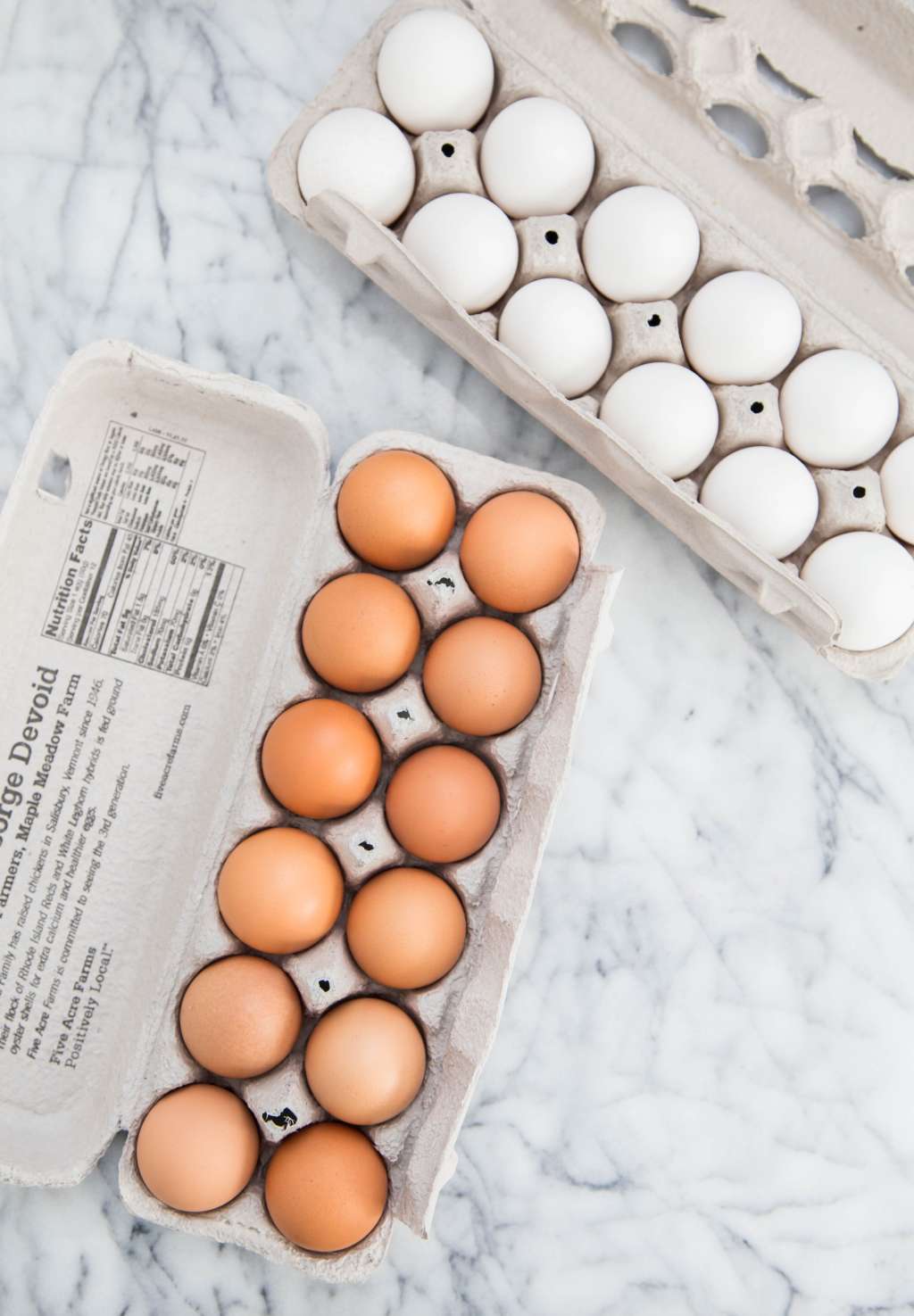
White eggs are the most common type of egg found in grocery stores. They are produced by hens with white feathers and earlobes. The color of the eggshell does not affect the nutritional value of the egg. White eggs are just as healthy as brown eggs.
Brown Eggs
Brown eggs are less commonly found in grocery stores. They are produced by hens with red feathers and earlobes. Brown eggs are often perceived as being healthier than white eggs, but this is not necessarily true. The nutritional value of brown eggs is the same as white eggs.
Shell Color
The color of an eggshell is determined by the breed of the hen. The color of the eggshell has nothing to do with the nutritional value or taste of the egg. Some breeds of hens lay blue or green eggs, which can be a fun addition to any breakfast.
Egg Size
Egg size is determined by the age and breed of the hen. Younger hens tend to lay smaller eggs, while older hens lay larger eggs. Some breeds of hens are known for laying larger eggs, while others lay smaller eggs.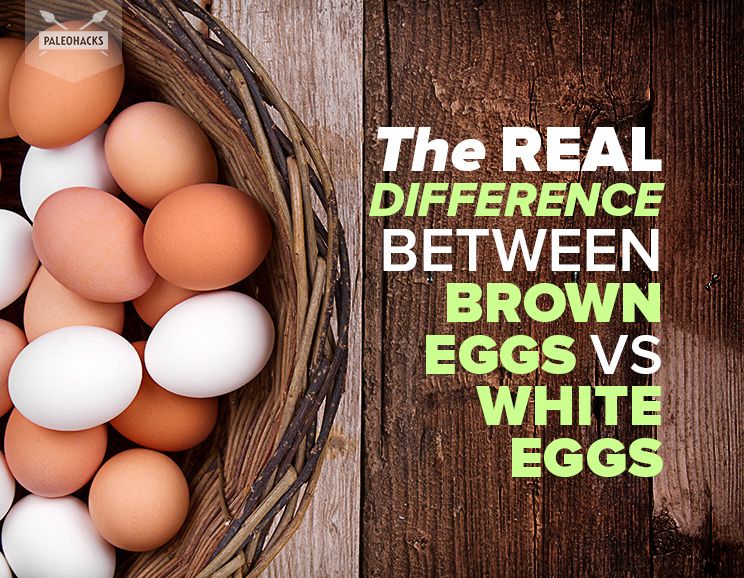
Yolk Color
The color of the yolk is determined by the hen's diet. Hens that are fed a diet high in yellow or orange pigments will lay eggs with a darker yolk. Hens that are fed a diet low in these pigments will lay eggs with a lighter yolk. The nutritional value of the egg is not affected by the color of the yolk.
Egg Quality
The quality of an egg is determined by its freshness. Fresh eggs have a firm white and a round yolk. As eggs age, the white becomes thinner and the yolk becomes flatter. To determine the freshness of an egg, place it in a bowl of water. If it sinks to the bottom and lays flat on its side, it is fresh. If it stands upright or floats to the top, it is not fresh.
Egg Storage
To ensure the freshness of your eggs, store them in the refrigerator. The ideal temperature for egg storage is 40 degrees Fahrenheit. Eggs should be stored in their original carton to protect them from odors and moisture.
Egg Safety
It is important to handle eggs safely to avoid the risk of foodborne illness. Always wash your hands before and after handling eggs. Eggs should be cooked until the whites and yolks are firm. Raw or undercooked eggs can contain harmful bacteria.
Egg Recipes
Eggs can be used in many different recipes, from omelets to cakes. Here are a few simple egg recipes to try at home:Scrambled Eggs: Beat 2 eggs with a splash of milk. Melt 1 tablespoon of butter in a nonstick skillet over medium heat. Add the eggs and cook, stirring constantly, until set.
Hard-Boiled Eggs: Place eggs in a saucepan and cover with water. Bring to a boil, then reduce heat and simmer for 10 minutes. Drain and rinse with cold water.
Egg Salad: Chop 4 hard-boiled eggs and mix with 1/4 cup mayonnaise, 1 tablespoon mustard, and salt and pepper to taste. Serve on bread or crackers.
